

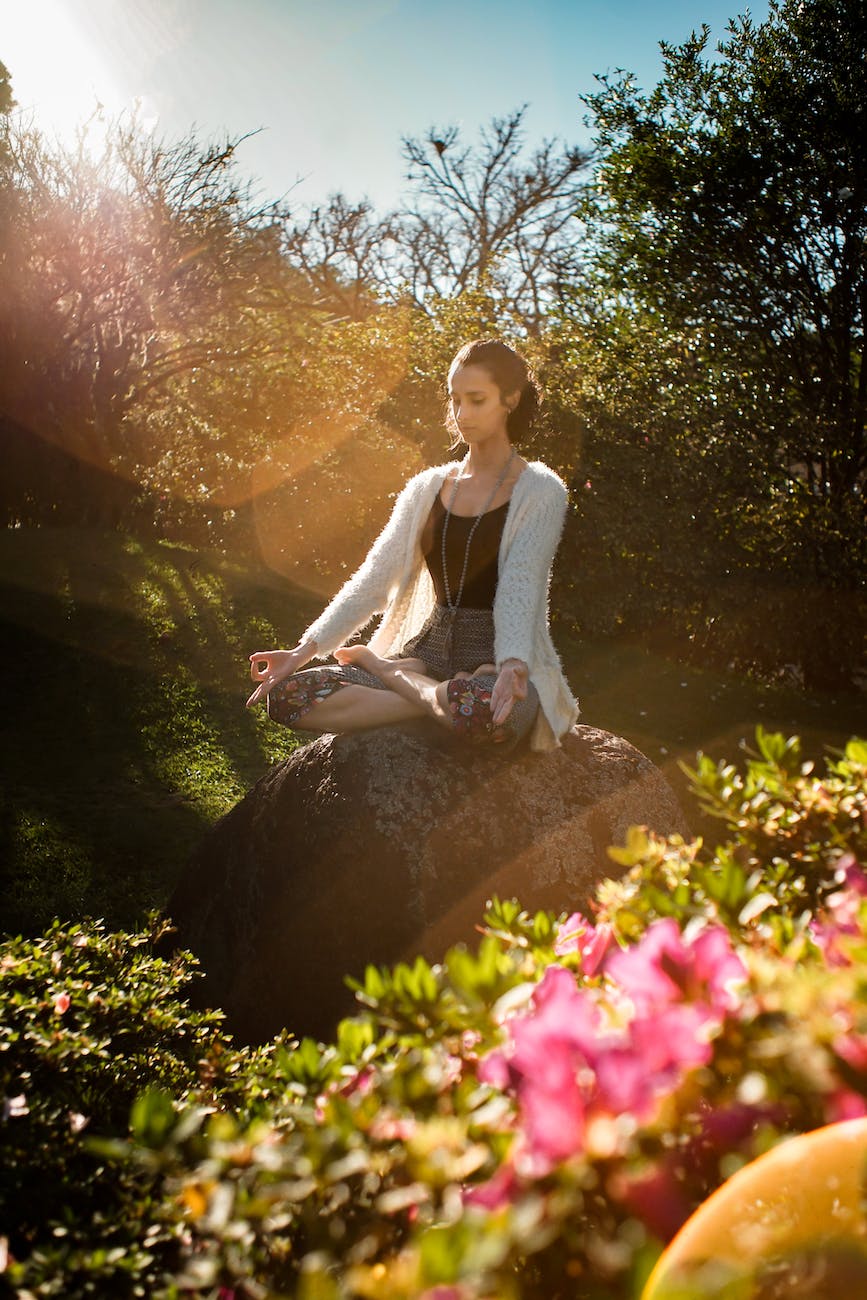
As someone who has been practicing meditation for the last few months now, I can confidently say that it has transformed my life in numerous ways. One of the most significant benefits of meditation, for me, has been its ability to reduce stress and anxiety. In fact, there are many studies that have shown that meditation can be an effective tool for managing stress and anxiety, and that one of the most effective ways to do this is by focusing on our breath.
Cortisol and Stress
Cortisol is a hormone that our body produces in response to stress. When we experience stress, our cortisol levels rise, which can have negative effects on our physical and mental health. However, studies have shown that practicing deep breathing techniques can help to reduce cortisol levels in the body, which in turn can help to reduce stress and anxiety.
Breathing Techniques
One of the simplest breathing techniques that you can practice during meditation is deep belly breathing. To do this, simply sit or lie down in a comfortable position and place one hand on your belly and the other hand on your chest. Take a deep breath in through your nose, and feel your belly expand as you inhale. Then, slowly exhale through your mouth, feeling your belly contract as you exhale. Repeat this process for several minutes, focusing on your breath and the sensation of your belly expanding and contracting.
Another effective breathing technique for reducing cortisol is alternate nostril breathing. To do this, sit in a comfortable position and place your left hand on your left knee. With your right hand, bring your index and middle fingers to rest between your eyebrows, and use your thumb to close your right nostril. Inhale deeply through your left nostril, then use your ring finger to close your left nostril and exhale through your right nostril. Inhale through your right nostril, then use your thumb to close your right nostril and exhale through your left nostril. Repeat this process for several minutes, focusing on your breath and the sensation of air moving in and out of your nostrils.
Exploring the Benefits
In addition to reducing cortisol levels, practicing these breathing techniques during meditation can also help to increase mindfulness, improve focus and concentration, and promote overall feelings of calm and relaxation.
If you’re new to meditation, it can be helpful to start with just a few minutes of deep breathing each day, gradually increasing the length of your meditation practice as you become more comfortable. There are also many guided meditation apps and videos available online that can help you to get started.
Practicing meditation and deep breathing techniques can have numerous benefits for our physical and mental health, including reducing cortisol levels and managing stress and anxiety. By incorporating these techniques into our daily routine, we can cultivate a greater sense of peace, calm, and wellbeing.

 FitWell TV
Leave a comment