


Maintaining a healthy body and mind is crucial to achieving a fulfilling life. While most people know the benefits of physical fitness, many are unaware of the link between exercise and mental health. This guide provides well-researched insights into the correlation between fitness and improved mental health.
The Mental Health Benefits of Fitness
Engaging in physical activity has been found to improve mental health in numerous ways, including:
- Reduced Anxiety and Depression Symptoms: Exercise releases endorphins, which act as natural painkillers and mood boosters. It also reduces levels of cortisol, a hormone that causes stress, leading to a reduction in anxiety and depression symptoms.
- Improved Cognitive Function: Physical activity stimulates the growth of new brain cells and promotes the production of chemicals that enhance cognitive function. Exercise has been found to improve memory, learning, and decision-making abilities.
- Increased Self-Esteem: Regular exercise improves body image and self-esteem. It provides a sense of achievement and helps people feel better about themselves.
- Better Sleep Quality: Exercise can improve sleep quality by increasing the amount of time spent in deep sleep. It also helps to regulate the body’s circadian rhythm, making it easier to fall asleep and wake up at regular times.
- Reduced Risk of Cognitive Decline: Regular physical activity has been found to reduce the risk of cognitive decline in later life. It promotes the growth of new brain cells, which can offset the effects of aging on the brain.
How to Incorporate Fitness into Your Daily Routine
Incorporating fitness into your daily routine doesn’t have to be complicated. Here are some tips for getting started:
- Start Slow: If you’re new to fitness, start slowly and gradually increase the intensity of your workouts over time. This will help prevent injury and ensure that you stick with your new routine.
- Find an Activity You Enjoy: Choose an activity that you enjoy doing, whether it’s running, cycling, swimming, or dancing. This will make it easier to stay motivated and stick with your new routine.
- Set Realistic Goals: Set realistic goals that are achievable. This will help you stay motivated and focused on your fitness journey.
- Make Time for Fitness: Schedule your workouts into your daily routine, just like you would any other appointment. This will make it easier to stick with your new routine and ensure that you don’t miss a workout.
- Get Support: Enlist the help of a personal trainer or workout buddy to keep you motivated and accountable. Having someone to share your fitness journey with can make all the difference.
Final Thoughts
In conclusion, incorporating fitness into your daily routine can have a significant impact on your mental health. From reducing anxiety and depression symptoms to improving cognitive function and self-esteem, the benefits of exercise are numerous. By following the tips outlined in this guide, you can start your journey towards achieving total wellness today.
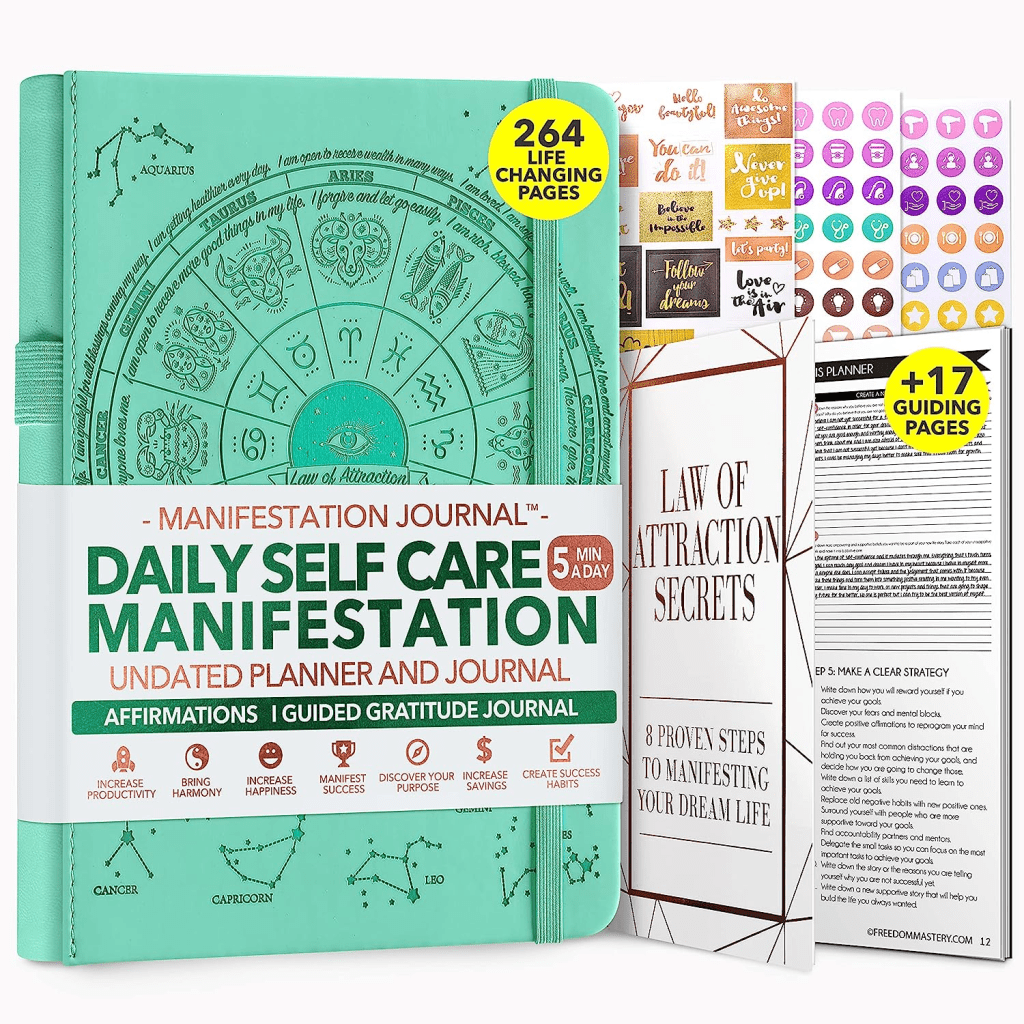
Planning really does help in reaching your goals. Why not start with journaling? Plan, track and celebrate your progress.

 FitWell TV
Leave a comment